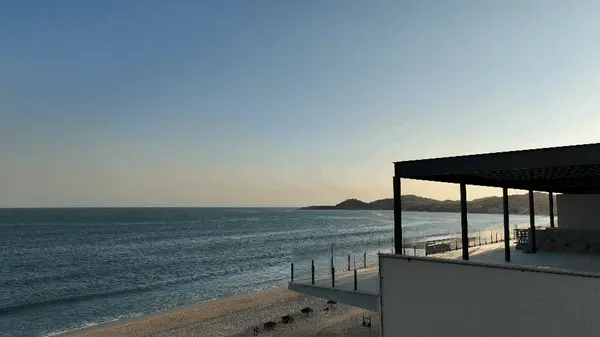
East Cape: Mexico's Premier Real Estate Investment Frontier
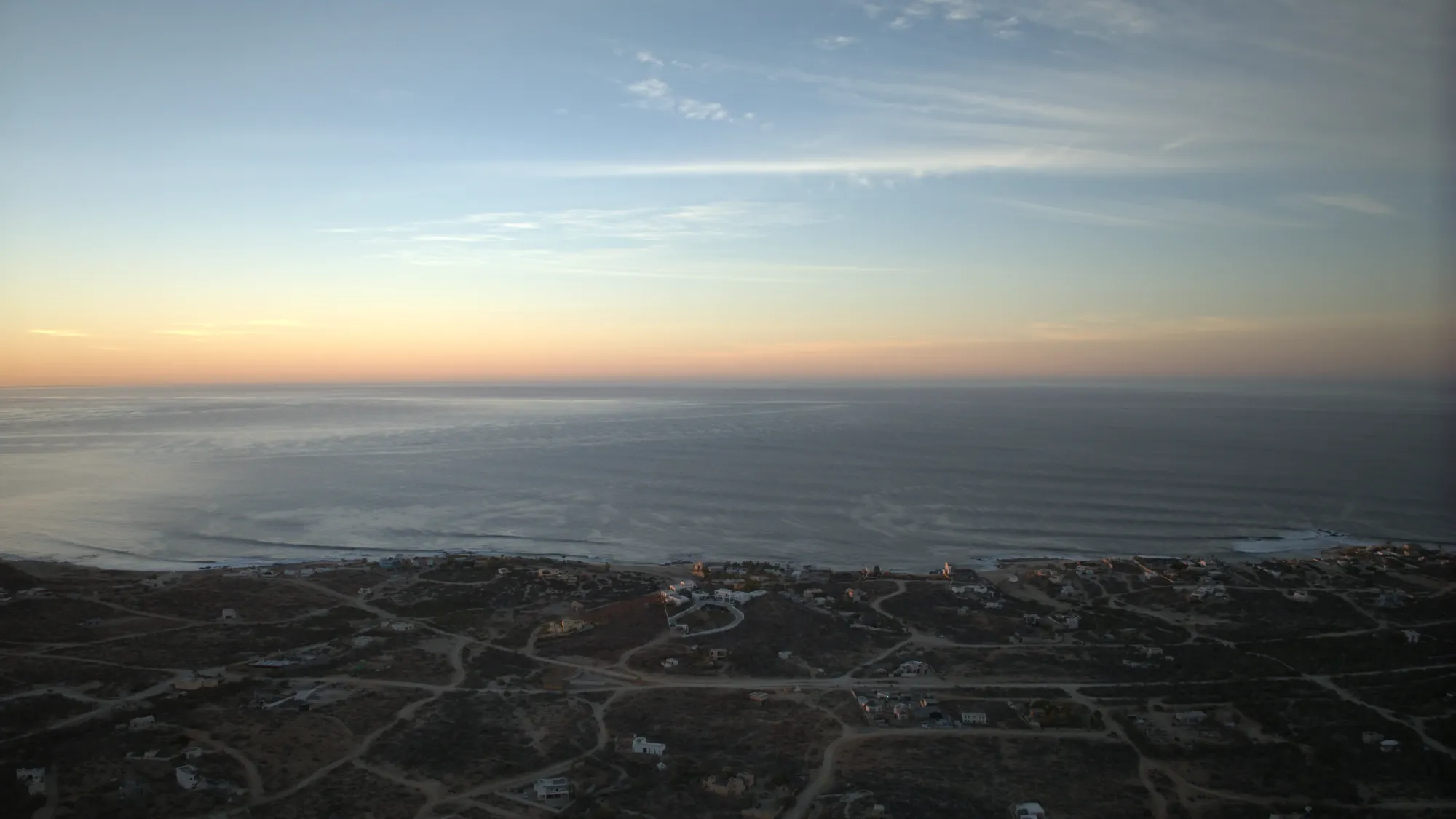
The East Cape is Baja California Sur's strongest real estate investment frontier, combining scarce land, a federally protected coastline, and entry prices still well below the mature Cabo Corridor or the saturated Tulum market.
In 20+ years advising buyers across Baja California Sur, I've watched the same debate play out every time a serious investor compares Mexico's coastal markets: Tulum, the established Cabo Corridor, or the East Cape. The right answer comes down to three things — market maturity, infrastructure, and geographic exclusivity — and on all three, the East Cape is where the math still works in the buyer's favor.
Tulum vs. the Cabo Corridor vs. the East Cape: Where Land Appreciates Fastest
To understand where land appreciation is still ahead of it rather than behind it, I compare the three markets on a simple trajectory — from lower upside to maximum upside.
Tulum built its reputation fast, but its flat topography limits most inventory to jungle-canopy views rather than open water, and over-density combined with a low entry threshold has produced real inventory saturation and infrastructure bottlenecks in recent years.
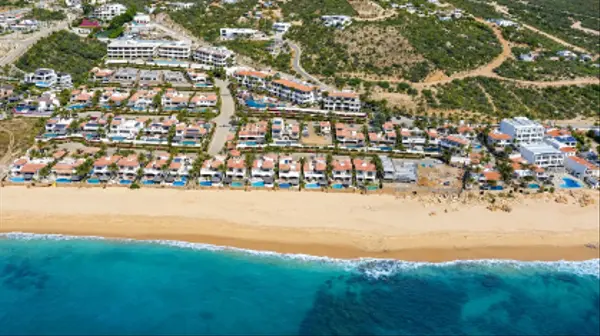
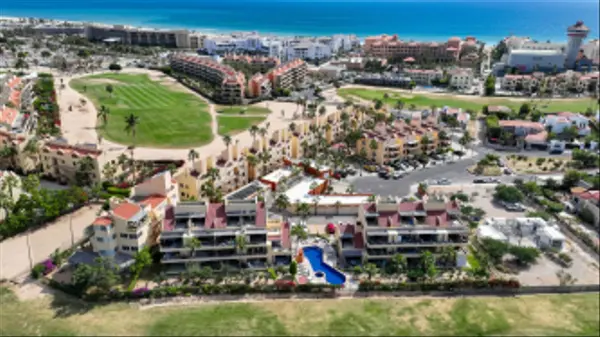
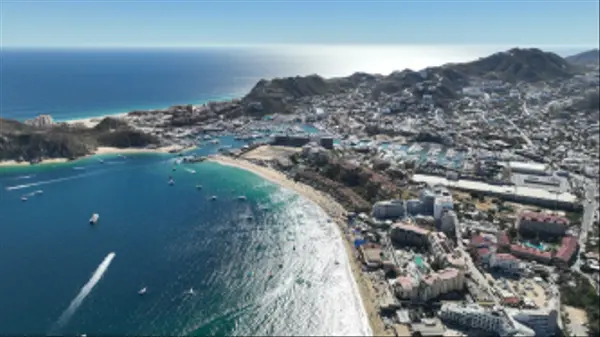
The Cabo Corridor, between San José del Cabo and Cabo San Lucas, is the proven, high-end standard. Entry-level ocean-view lots in gated luxury communities start around $1 million, and true beachfront parcels command $25 million to $30 million. It delivers exceptional security and infrastructure, but its maturity means most of its exponential growth has already happened — you're buying stability, not upside.
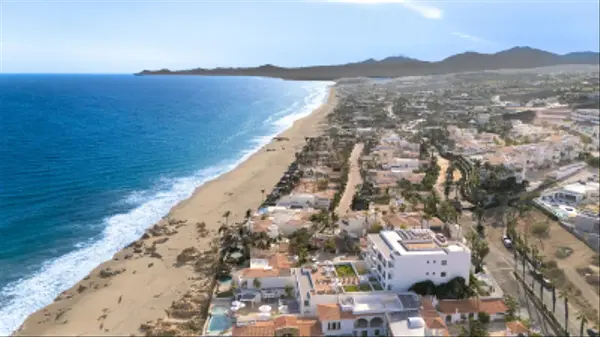
The East Cape is where both worlds meet: unmatched natural beauty on the Sea of Cortez, paired with room for real appreciation. Developers can still assemble large parcels at scalable prices, and buyers can secure land or ocean-view homesites at price points that leave substantial room to grow as the region matures around them.
| Region | Topography & Climate | Entry-Level Price Point | Appreciation Potential |
|---|---|---|---|
| Tulum | Flat, dense jungle, tropical humidity | Low to moderate | Limited / saturated |
| Cabo Corridor | Desert-meets-ocean, dry climate, proven views | High ($1M+ ocean-view, $25M+ beachfront) | Steady / mature |
| East Cape | Elevated terrain, calm Sea of Cortez, year-round dry climate | Scalable, still under $100K for off-grid land | Maximum long-term upside |
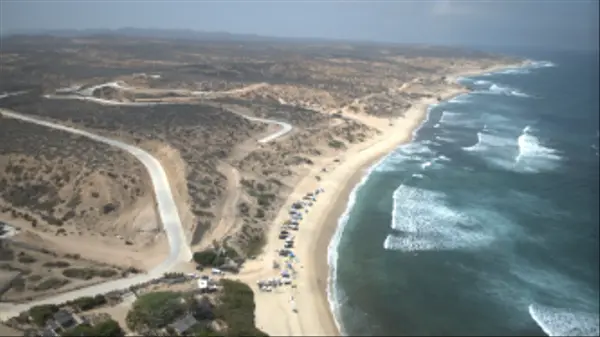
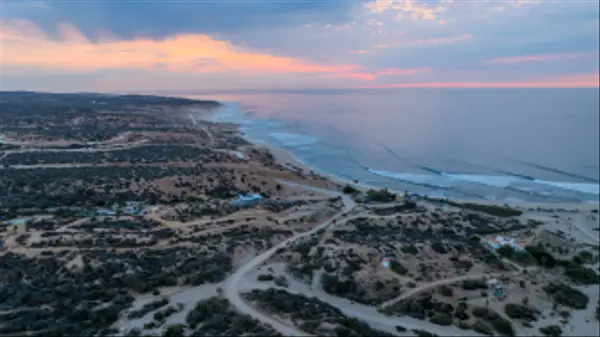
East Cape land runs from La Ribera and Costa Palmas in the north down through Los Barriles, 9 Palms, Shipwrecks, and Cabo Pulmo — roughly 70 miles of Sea of Cortez coastline between San José del Cabo and La Paz. Every one of those neighborhoods sits behind the same regulatory and geographic scarcity described below.
Geographic Exclusivity and the Rise of Ultra-Luxury Branding
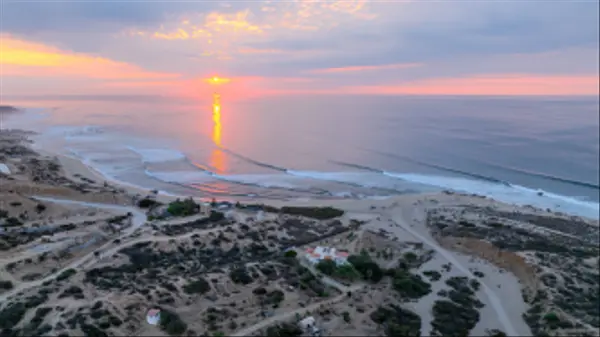
The East Cape has earned its reputation as Baja's answer to the French Riviera. Its calm, genuinely swimmable waters along the Sea of Cortez are a rarity on a peninsula better known for surf breaks than safe swimming, and the region sits minutes from Cabo Pulmo National Park — one of North America's most important living coral reefs and a UNESCO-recognized marine treasure.
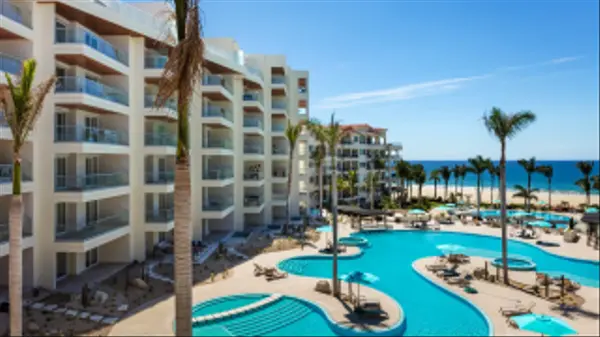
Unlike the flat jungle terrain of Tulum, the East Cape's elevated, rolling topography means sweeping ocean views are the rule rather than the exception on most parcels. Combined with short, direct flights into San José del Cabo's international airport and a dry, comfortable desert climate, the region has already attracted serious global hospitality capital: Four Seasons Resort and Residences Los Cabos and Amanvari — the first Aman-branded property in Mexico — both anchor the 1,500-acre Costa Palmas community in La Ribera. That kind of institutional commitment doesn't arrive in markets developers consider speculative; it arrives where they see structural, long-term value.
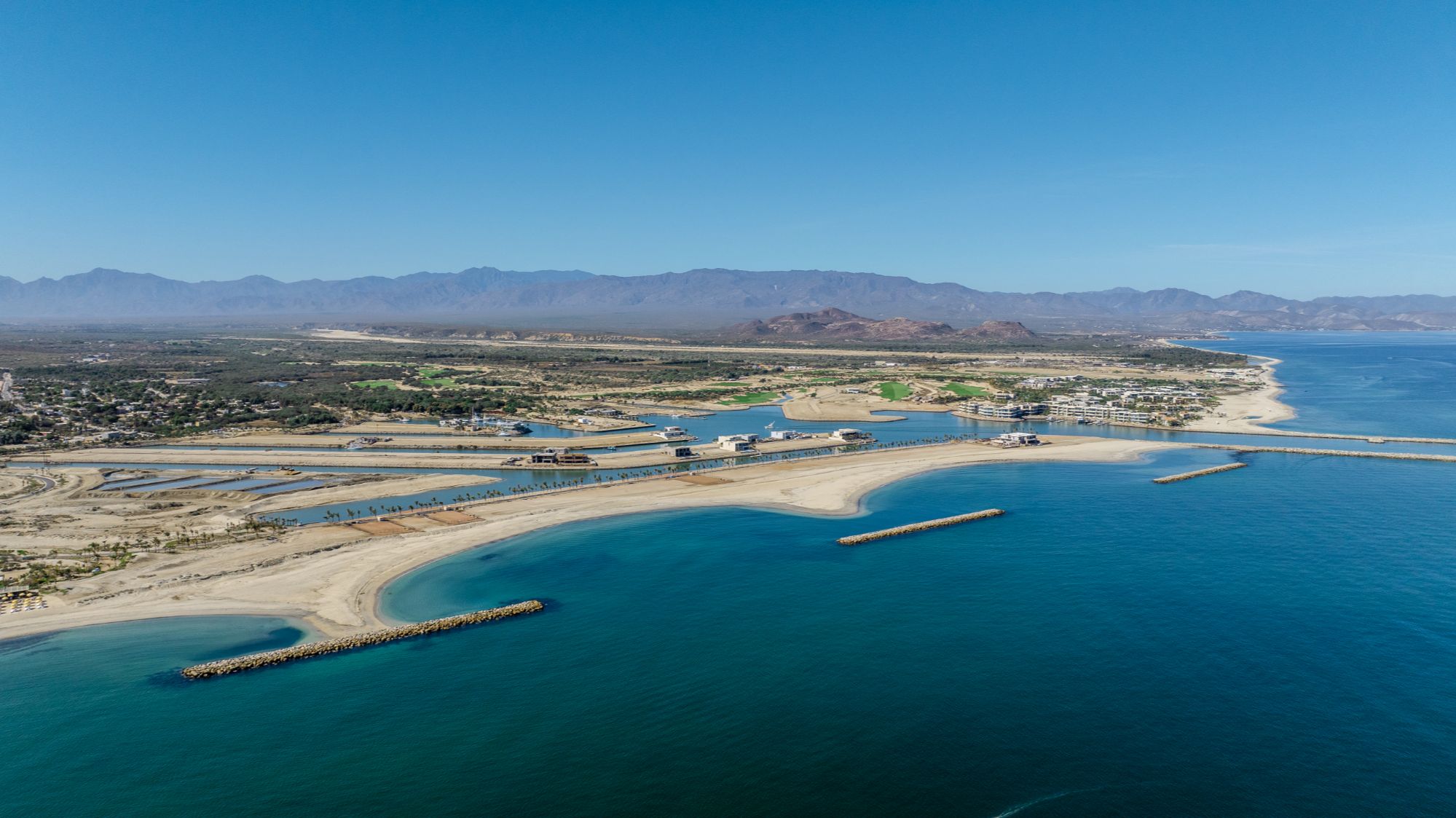
Access is also improving in real time. Paving projects along the East Cape Road (Camino del Este) — including the Santa Cruz Road Bridge inaugurated in 2025 — are steadily closing the infrastructure gap with the Cabo Corridor. Every buyer I work with in this market is watching the same window: the road improves a little more each year, and prices have historically moved with it.
Environmental Policy: How Stricter Permits Protect East Cape's Value
The single most important — and least understood — factor protecting the East Cape's long-term value is federal environmental regulation. Any parcel with forest vegetation slated for clearing requires both a MIA (Manifestación de Impacto Ambiental) and, where applicable, a CUSTF filing (Cambio de Uso de Suelo en Terreno Forestal) with SEMARNAT, Mexico's federal environmental authority.
This isn't a minor formality. Following a CONAFOR/DOF agreement effective January 12, 2026, the environmental compensation cost tied to CUSTF filings rose an estimated 240% to 450% per hectare. For any buyer evaluating raw land with vegetation still standing, that increase has to be rebudgeted into the acquisition — but for the market as a whole, it's a structural filter, not a setback.
In unregulated markets, low barriers let opportunistic developers subdivide cheap land quickly, without the infrastructure to support it — the pattern behind much of Tulum's oversaturation. In the East Cape, the higher regulatory and infrastructural bar ensures that only well-capitalized, environmentally serious developers can execute at scale. That structural filter is precisely what prevents over-saturation and protects the region's low-density, high-value character over the long run.
The Same Thesis, Across All of Baja California Sur
The East Cape is one piece of a larger regional allocation decision. If you're weighing it against the Cabo Corridor, the Pacific side, or La Paz, I break down the full portfolio logic — and the same CUSTF cost data referenced above — in Building a Real Estate Portfolio Across Baja California Sur.
Scarcity Is the Only Long-Term Driver of Luxury Value
In every luxury market I've worked in over the past two decades, scarcity — not amenities, not marketing — is what ultimately protects and grows value. The East Cape has all three forms of it at once: limited developable land, strict federal environmental oversight, and rising demand from high-net-worth buyers who've already priced themselves out of the Cabo Corridor or watched Tulum's inventory saturate.
Land acquisition, zoning, and positioning here require real local relationships — with authorities, with neighboring landowners, with the people who actually know which parcels have clean title and which don't. For investors thinking beyond a quick flip toward sustainable, long-term wealth, the East Cape remains, in my view, the strongest luxury investment frontier left in Baja California Sur.
Frequently Asked Questions
Yes, for buyers with a longer investment horizon. East Cape land still starts under $100,000 for off-grid parcels, well below Cabo Corridor entry points, while institutional capital (Four Seasons, Amanvari at Costa Palmas) and improving road infrastructure point to continued appreciation over the next decade.
Tulum's flat jungle topography and low entry barriers led to rapid over-density and inventory saturation. The East Cape's elevated terrain gives most parcels genuine ocean views, and stricter Mexican federal environmental permitting keeps development density low, protecting long-term value instead of eroding it.
The Cabo Corridor is a mature market — most of its appreciation has already happened, and beachfront now commands $25M–$30M. The East Cape is earlier in its development cycle, with improving but still-developing infrastructure, which is exactly why entry prices remain lower and upside remains higher.
A MIA (Manifestación de Impacto Ambiental) and, where forest vegetation is present, a CUSTF (Cambio de Uso de Suelo en Terreno Forestal) filing with SEMARNAT are federal environmental approvals required before clearing land in Mexico. Compensation costs under CUSTF rose 240%–450% per hectare after a January 2026 CONAFOR/DOF agreement — a real cost to budget for, and a structural barrier that keeps low-capital, high-density development out of the East Cape.
Yes. The East Cape sits within Mexico's restricted coastal zone (within 50 km of the coastline), so foreign buyers purchase through a fideicomiso — a bank trust that grants full ownership rights, including the right to sell, lease, or pass the property to heirs, renewable indefinitely in 50-year terms.
Ready to Look at the East Cape?
Land, homes, and condos across La Ribera, Los Barriles, and the Cabo Pulmo corridor — before the next infrastructure milestone reprices the region.
East Cape Overview Land for Sale Homes for Sale Condos for SaleStay Ahead of the East Cape Market
Get new East Cape listings, road-infrastructure updates, and Baja California Sur market data before they're public.
Subscribe to the Newsletter
Aburto-Oropeza, O., et al. "Large Recovery of Fish Biomass in a No-Take Marine Reserve." PLoS ONE, 2011 (Cabo Pulmo, +463% biomass 1999–2009) — Scripps Institution of Oceanography.
Berkshire Hathaway HomeServices Baja California Sur, East Cape market data, Q1 2026 (~$13.1M USD in sales, 28 transactions, ~255 days on market).
Cabo Real Estate Services, Los Cabos market report, Q1 2026 ($391M USD under contract, +39% vs. Q4 2025).
CONAFOR/DOF agreement effective January 12, 2026, on CUSTF environmental compensation costs.
Four Seasons Hotels and Resorts; Aman Resorts — Costa Palmas, La Ribera, East Cape development announcements.
This article is for general informational purposes and does not constitute legal, tax, or investment advice. Property prices, regulatory costs, and market conditions change; verify current figures with Baja Smart Real Estate and a licensed Notario Público before making a purchase decision.
Categories
Recent Posts