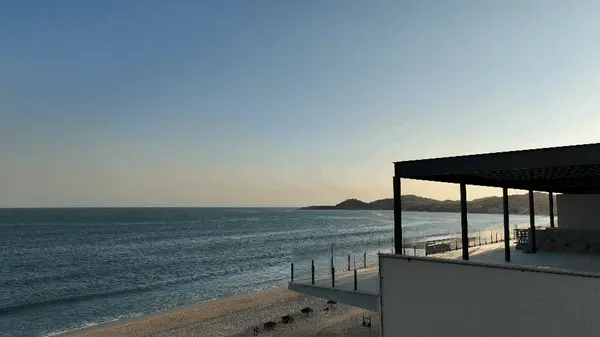
Los Cabos Real Estate Investment Portfolio Guide 2026
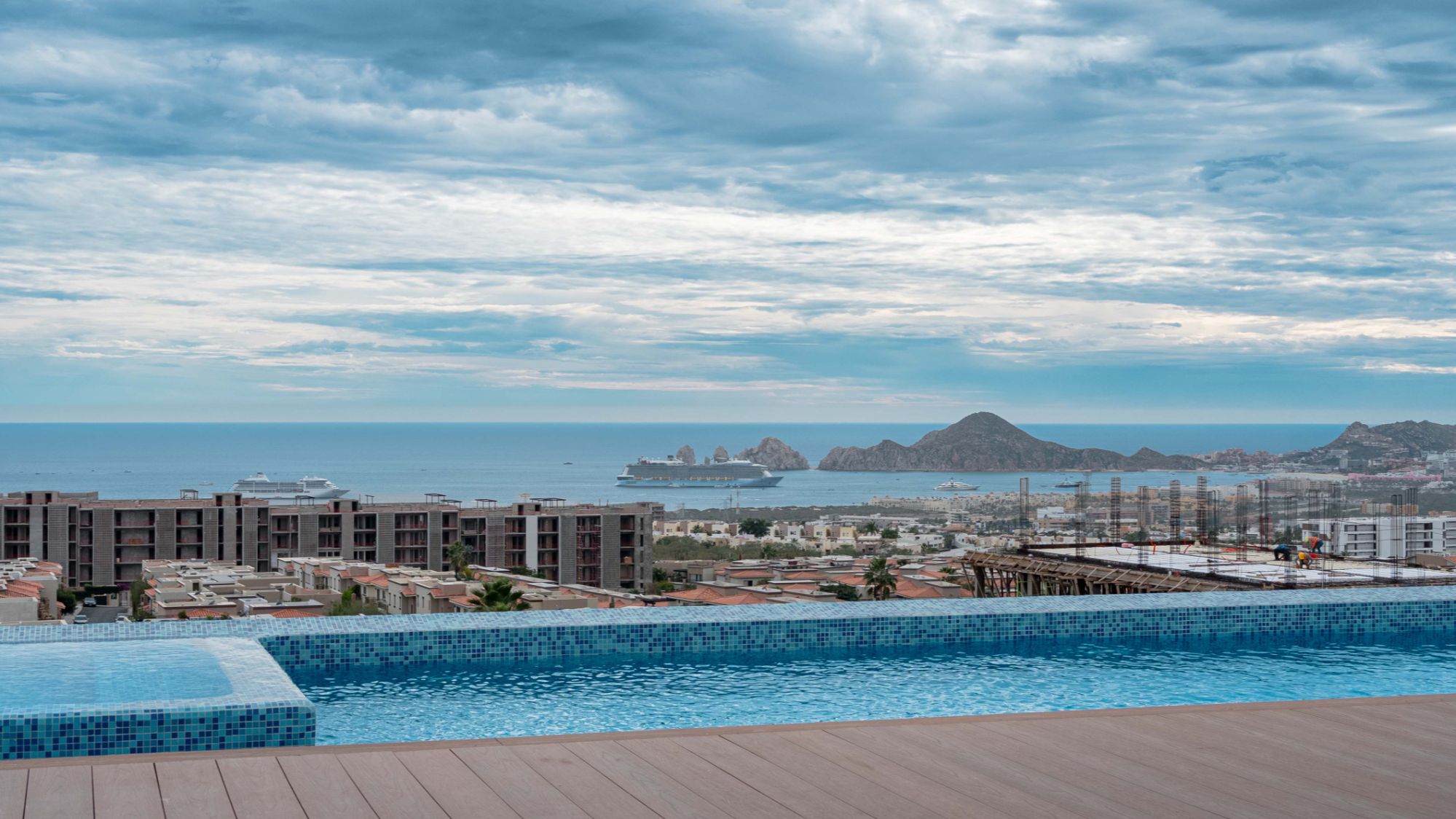
A strong Los Cabos real estate investment portfolio spreads capital across four BCS regions, each with its own risk, timeline, and return profile.
Why Baja California Sur Keeps Attracting International Capital
Baja California Sur is consistently one of the top destinations in Mexico for foreign direct investment tied to tourism, and that capital flows directly into hospitality and residential development along the coast. Los Cabos itself closed Q1 2026 with $391M USD in sales under contract across 350 units — a 39% jump from the previous quarter — while the region's tourism base keeps expanding toward roughly 3.8 million annual visitors.
Even with that tailwind, not every property performs the same way. We're currently seeing strong buyer interest in boutique hotels, luxury residential projects, and land positioned for future housing — but each of those categories carries a different risk and timeline, and each depends heavily on the specific site, not just the regional trend.
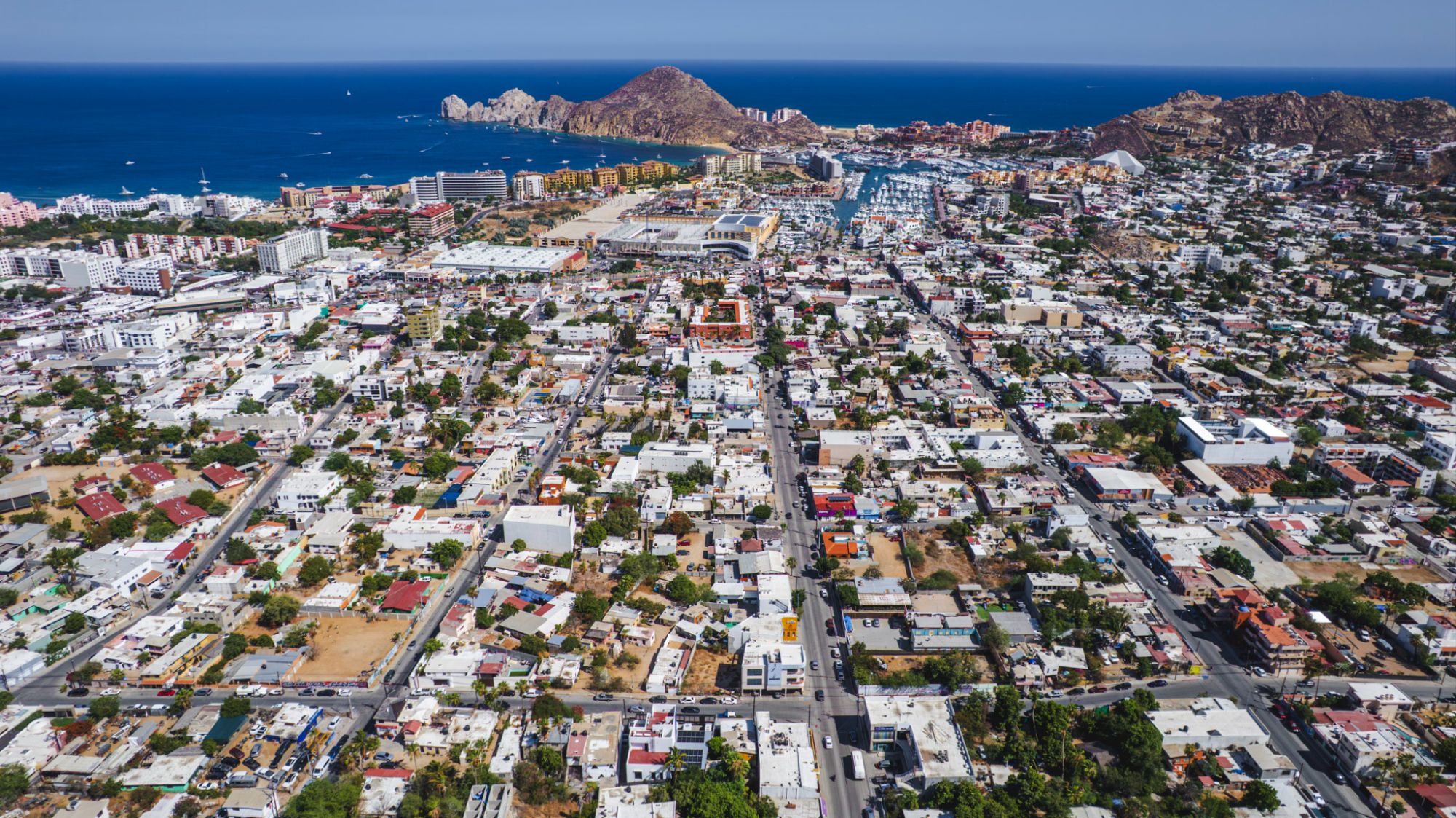
Land Due Diligence: MIA, CUSTF, and Why Studies Add Value
When you're purchasing land in Los Cabos, completed environmental and development studies can add real value. Two filings matter most: the Manifestación de Impacto Ambiental (MIA), the federal environmental impact assessment, and the Cambio de Uso de Suelo en Terreno Forestal (CUSTF) — the change-of-forest-land-use filing with SEMARNAT that applies whenever a lot has forest vegetation requiring clearance, sometimes filed alongside the MIA. Watercourse non-affectation letters may also apply near arroyos.
These approvals can take time to obtain, but having them in place gives buyers a clearer picture of what can actually be built and reduces uncertainty at the permitting stage. For a full walkthrough of the permitting timeline and construction costs that follow land acquisition, see our guide to building a custom home in Los Cabos.
Freshness update: environmental compensation costs under CUSTF rose 240–450% per hectare following a CONAFOR/DOF agreement effective January 12, 2026. Any lot still requiring vegetation clearance should be re-budgeted against current rates before you make an offer — not against last year's numbers.
Case Study: El Tezal and the Absorption Risk Every Investor Should Model
El Tezal is a good example of why previous performance shouldn't be the only input in a buying decision. The corridor has posted 30–40% cumulative price appreciation over the past three years — a strong run for a neighborhood that isn't beachfront and carries no resort brand. But a meaningful number of new condo units are also scheduled to reach completion in the area. As that inventory enters the rental market, existing owners may face more competition for guests, and short-term rental rates could soften even while land and home values keep climbing.
That doesn't make El Tezal a poor investment — it means land, single-family homes, and condos in the same corridor can face different absorption pressure at the same time, and each deserves its own analysis rather than a blanket read on "the neighborhood." Our full El Tezal listing and market breakdown covers current comparables in more depth.
Local Knowledge Fills the Gaps in Market Reports
Sales and rental data are useful, but they rarely show projects still in the planning stage, units that haven't been publicly marketed yet, or the practical friction involved in getting permits approved. For larger institutional or development-scale acquisitions, that gap widens further — infrastructure due diligence (water concessions, grid capacity, environmental review) becomes as important as the sale comps. Our development advisory guide covers what institutional buyers specifically need to verify before committing capital.
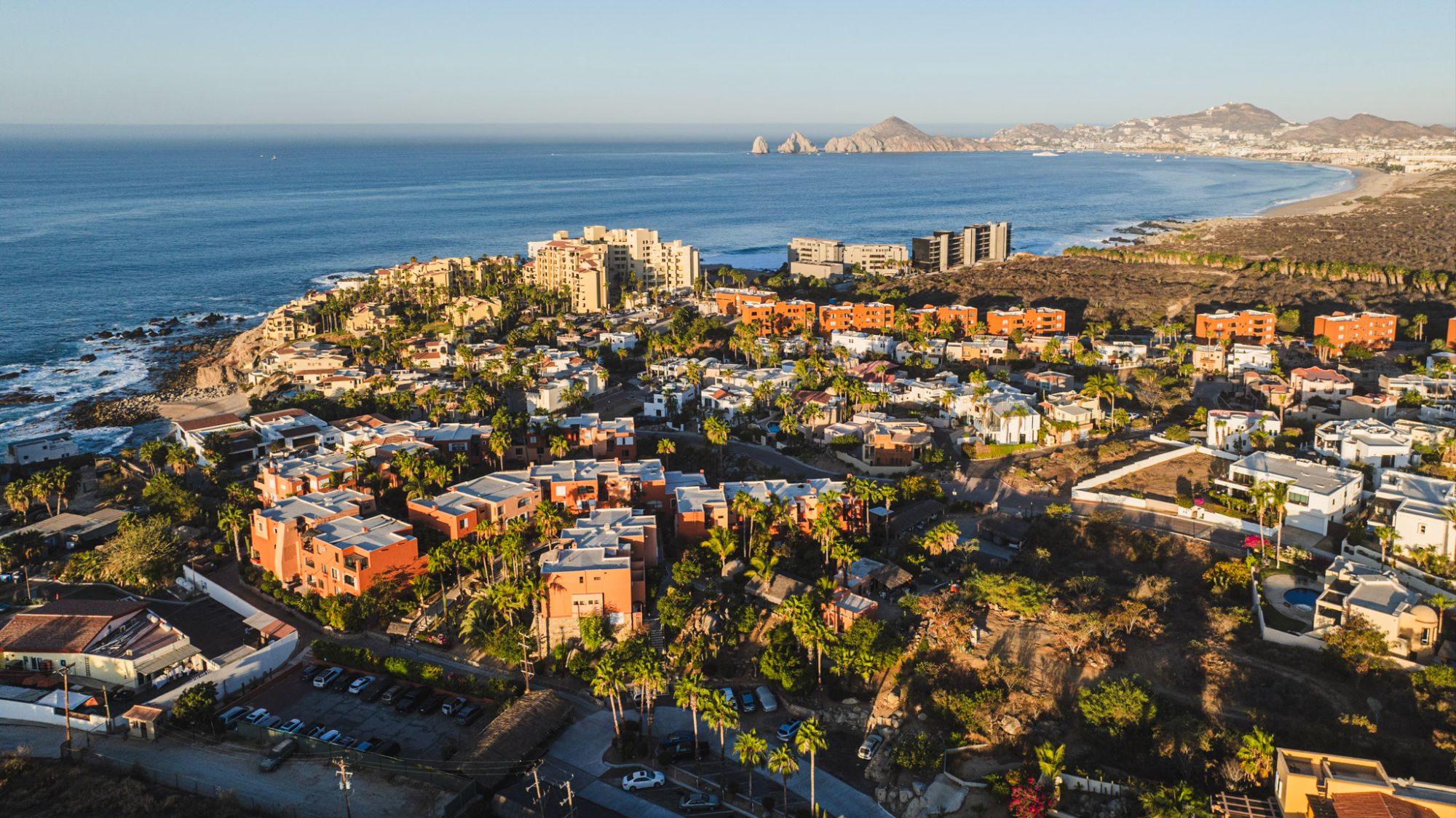
Four Regions, Four Return Profiles
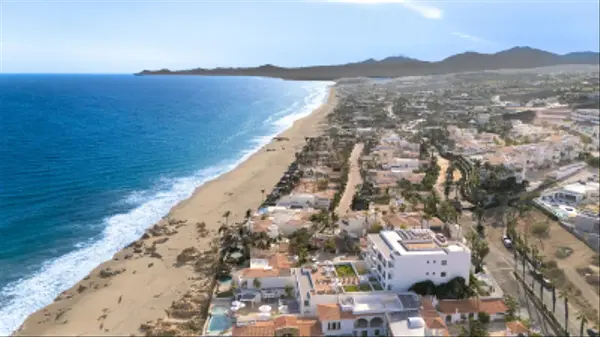
Los Cabos remains attractive to international buyers because of its flight connectivity, lifestyle, and tourism base — but conditions vary sharply from one neighborhood, and one region, to the next. Before investing, it's worth understanding what's already built, what's under construction, and how much competing inventory is likely to reach the market.
Cabo San Lucas & San José del Cabo
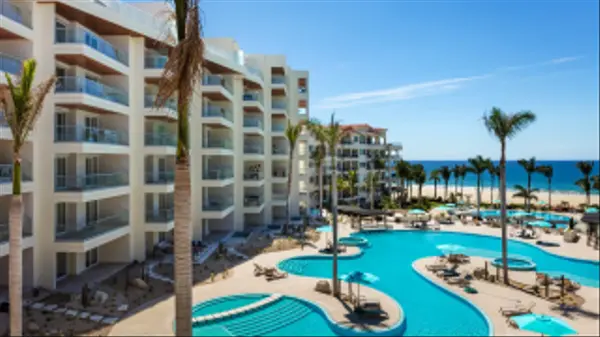
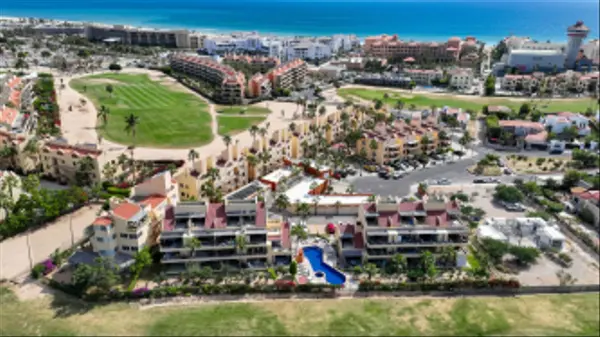
The core corridor where demand is proven and liquidity is highest. Best suited to condominiums, vacation rentals, completed residential units, and spec homes aimed at buyers who want income sooner rather than later.
East Cape (Cabo del Este)
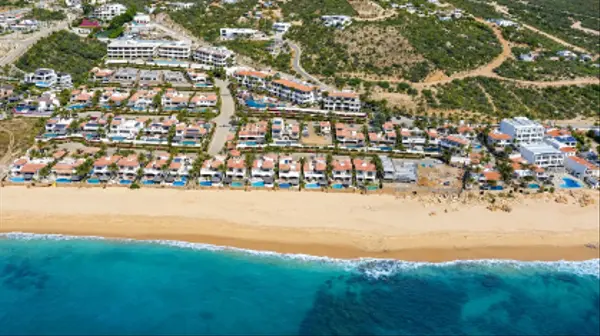
Anchored by large-scale development like Costa Palmas and a new wave of branded residences, East Cape is where development land, boutique hotel sites, and land-banking plays are concentrated. Growth here tends to be structural — driven by permanent conservation limits around Cabo Pulmo — rather than speculative.
Pacific Coast (Todos Santos, Cerritos, Pescadero)
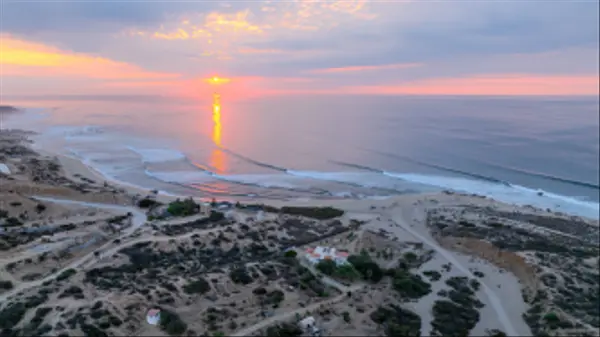
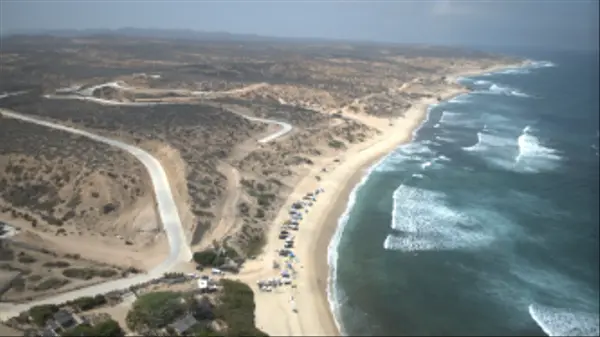
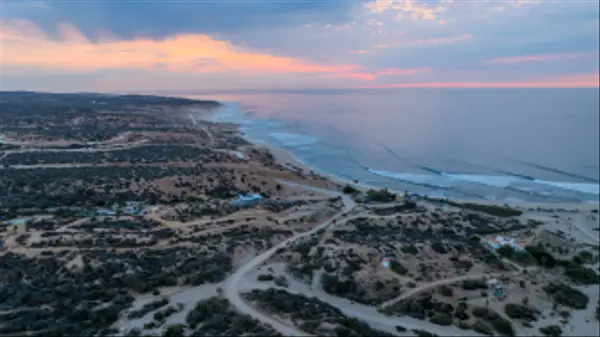
A different pace and buyer profile: residential lots, boutique developments, and land reserves for buyers drawn to a quieter, art-and-surf lifestyle rather than resort density.
La Paz
The most affordable entry point in BCS, with prime zones like the Malecón and Costa Baja posting 15–28% year-over-year appreciation in 2025 and airport international arrivals up 166.5%. Best suited to residential development and long-term rentals. See our full guide to buying property in La Paz.
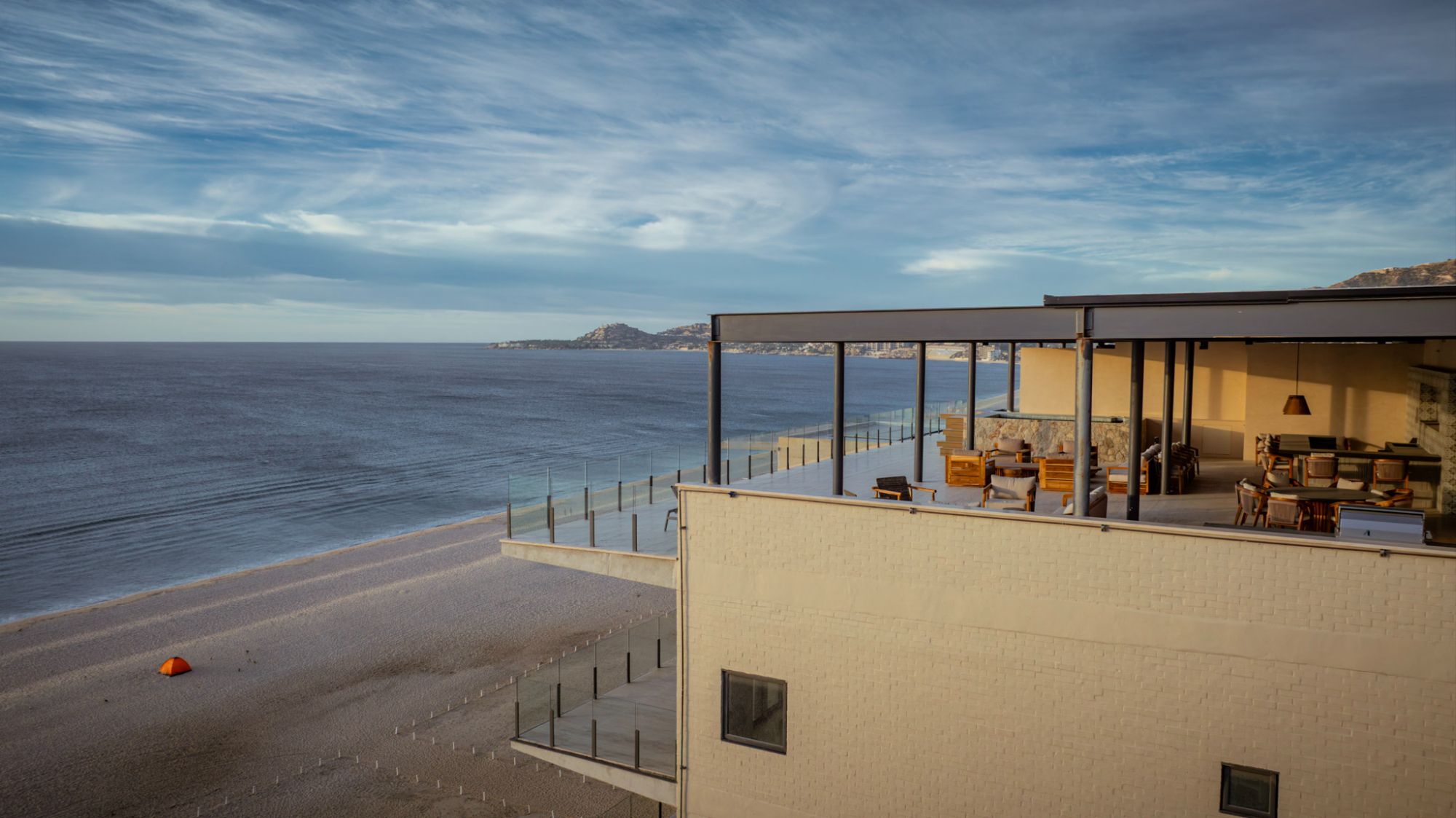
The 2026 Trend Reshaping Regional Value: Branded Residences
The single biggest driver of value reallocation across these four regions right now is the wave of branded residences opening in Los Cabos: Amanvari (the first Aman in Mexico, East Cape), St. Regis Residences at Quivira, Soho House Los Cabos, and Park Hyatt are all reshaping buyer demographics and appreciation patterns community by community. High-net-worth buyers increasingly want a private villa paired with hotel-level service — a "lock-and-leave" lifestyle that prioritizes mobility over large, high-maintenance homes.
That shift is a large part of why East Cape's appreciation curve looks different from the Corridor's, and why sustainability, walkability, and wellness amenities are becoming underwriting factors, not just marketing language, across every region covered above.
Services We Provide Across Every Region
- Investment portfolio strategy — matching regions and asset types to your goals and timeline.
- Property acquisition — sourcing off-market and MLS BCS-listed opportunities.
- Residential and commercial development guidance — permitting, MIA/CUSTF filings, and builder vetting.
- Sales and marketing — for investors ready to exit or reposition an asset.
Frequently Asked Questions
Los Cabos offers direct flights from many U.S. and Canadian cities, an established tourism market that drew roughly 3.8 million visitors in 2025, and a wide range of residential communities. Demand varies by location, property type, and price range, so each investment should be evaluated on its own.
The MIA (Manifestación de Impacto Ambiental) is the federal environmental impact assessment. The CUSTF (Cambio de Uso de Suelo en Terreno Forestal) is generally required when a project involves changing the use of forested land, and is sometimes filed alongside the MIA. Requirements depend on location, environmental conditions, and intended use — confirm with qualified environmental and legal professionals before purchasing land.
They can. Land with completed studies or approved permits tends to be more attractive because a buyer has clearer visibility into its development potential. Note that CUSTF compensation costs rose 240–450% per hectare after a January 2026 regulatory change, so budget against current rates. Permits don't guarantee a project will be viable or that the property will appreciate.
Yes. When a large number of new units enter the same area — as is happening in parts of El Tezal — owners can face more competition for guests even while the neighborhood's land and home values keep appreciating. Weigh upcoming inventory, rental rates, occupancy, and seasonal demand before relying on projected rental income.
Sales data is useful but rarely captures projects still in planning, units not yet publicly marketed, or the real-world friction of permitting. A local advisor with 16+ years on the ground can flag which questions still need legal, environmental, or financial follow-up before you commit capital.
Build Your Los Cabos Investment Portfolio
Connect with Tomás and get a personalized property portfolio built around your goals, timeline, and risk profile.
Connect With Tomás Communities Locations Buyer's GuideStay Ahead of the Los Cabos Market
Get quarterly market data, new investment opportunities, and off-market listings before they're public.
Subscribe to the Newsletter
Baja California Sur foreign direct investment in tourism — Secretaría de Turismo (Sectur) state-level IEDT reporting, 2023–2025.
Los Cabos Q1 2026 sales volume, unit counts, and days-on-market — Cabo Real Estate Services, April 2026 quarterly report.
El Tezal 3-year cumulative appreciation and solar-offset data — Baja Smart Real Estate market analysis, 2026.
La Paz airport international arrivals and prime-zone appreciation, 2025 — regional tourism and market data compiled by Baja Smart Real Estate.
CUSTF/environmental compensation cost increase, effective January 12, 2026 — CONAFOR/DOF interagency agreement.
This article is for general informational purposes and does not constitute legal, tax, or investment advice. Environmental, permitting, and closing-cost figures should always be confirmed with a licensed Notario Público and qualified environmental counsel before purchase. Baja Smart Real Estate | Broker License ID: LIC-RAPIBCS-0032.
Categories
Recent Posts